From study to the frontline
23.09.26
By Adele Townsend, Senior Training Officer, Council to Homeless Persons
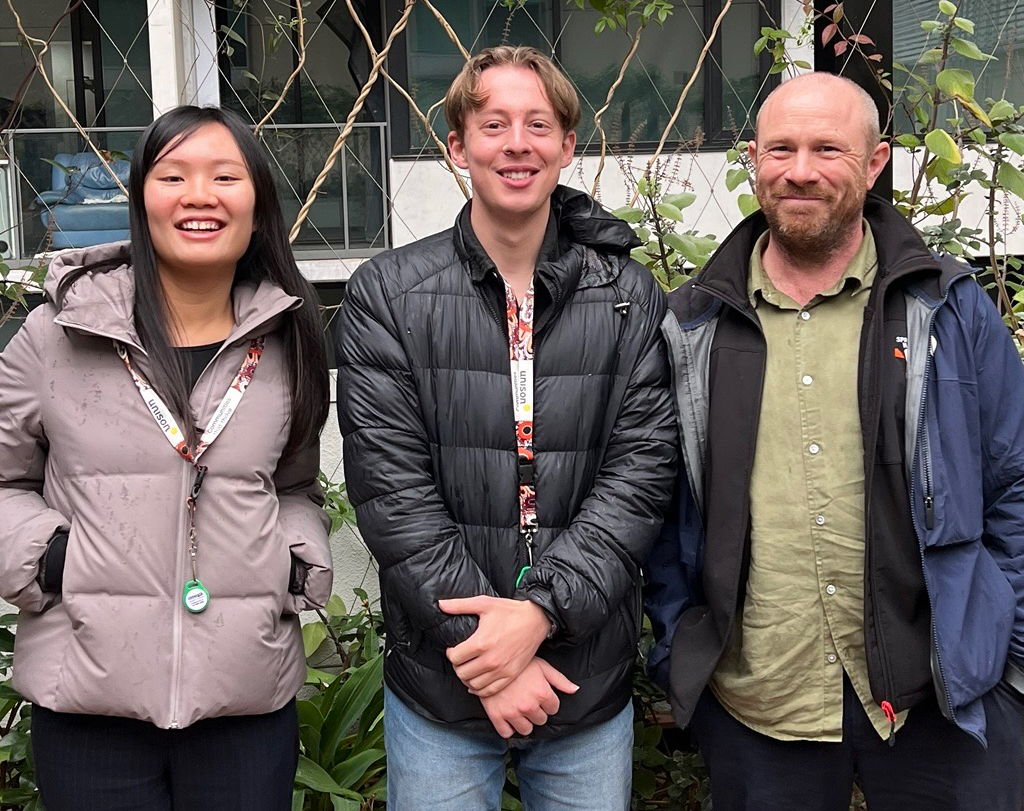
How can we support new workers to stay and succeed in specialist homelessness services? Unison’s graduate initiative is giving practitioners a strong start.
Specialist homelessness services (SHS) are operating in an increasingly challenging environment, with rising demand, workforce shortages and growing pressure on frontline teams. At the same time, attracting and retaining new practitioners remains a persistent workforce development priority across the sector, particularly in Initial Assessment and Planning (IAP) roles.
While graduates often enter the sector motivated to make a difference, the realities of frontline homelessness work can be confronting. Navigating complex client needs, working within constrained systems and managing difficult conversations requires skills and confidence that are developed over time. Research suggests the first 12 months can be a critical period for new workers as they transition from study into practice.
The response: a structured pathway into frontline practice
Recognising both the opportunity and challenge of supporting early-career practitioners, Unison participated in the Victorian Government’s Community and Social Services Graduate Program (Graduate Program). Building on the program framework, Unison partnered with CHIA Vic to develop a tailored graduate initiative across housing and IAP services, supporting four graduates through a structured introduction to frontline practice.
Unison’s experience shows how structured support, paced learning and strong workplace relationships can help build confidence, strengthen teams and create a more sustainable pathway into frontline homelessness work.
It starts by making people a strategic priority
James King, Unison’s CEO, says the decision to take part in the Graduate Program aligned with Unison’s commitment to people.
“We made a deliberate decision to put people as a pillar in our strategy. The graduate initiative is a practical expression of our commitment to invest in future practitioners, building capability and strengthening the workforce our sector needs for the future.”
Marella Verbeeten, Director of People, says the initiative is part of a broader commitment to creating clear career pathways and investing in worker wellbeing:
“We know the research on workforce trauma shows wellbeing needs to be a priority. If we’re serious about addressing burnout, we can’t only respond when people are struggling. We need to invest in the conditions that help people thrive.
“We see learning and development as one of the strongest protective factors we have. Our graduate initiative isn’t about filling vacancies, it’s an upstream investment in workforce wellbeing, capability and confidence by giving people the support they need to build sustainable careers in the sector.”
Starting work on the frontline sustainably
Mia, a recent graduate who took part in the program, says it helped her gain a solid foundation when starting in an IAP role:
“As a graduate and new worker on the frontline, you find a gap between theory and practice. You need to get confident quickly in your people skills to handle complexity, and it can be daunting. But the Graduate Program was very thorough, so I trusted the process. Within a few weeks, I went from observing to confidently running assessments and picking up the phone.
“What supported me most to transition into fast-paced frontline work was building confidence with gradual pacing, continuous feedback and peer connection. The Graduate Resource Centre helped open my mind to be willing to learn.
“Starting with other new workers at Unison, plus networking with community services graduates, I didn’t feel alone. Talking to other new workers helped me understand what I experienced was normal and helped me feel more resilient and less overwhelmed. I had a real lightbulb moment – seeing the pressure in the system made it clear why structured support matters.”
Making it work for teams
IAP Team Leaders, Muna and Nicole, also said they have noticed the benefits of having structured support in place:
“From a team leader perspective, what stood out was how much difference structure and shared support made in practice. Having a clear plan from the outset reduced the burden on teams – everyone knew what the graduate was doing, when, and why. Being a program, it built a lot of support. Responsibility didn’t sit with one person. This made it focused and manageable within already busy frontline roles.
“Managing client expectations, navigating limited housing options, and having difficult conversations are skills that need confidence. Supervision, feedback and reflection helped them build confidence to do the hard parts of the role. The structure was essential to manage service pressures and give graduates a way into complex frontline work.
“Team culture played a critical role. Creating an environment where “no question is a silly question” enabled graduates to ask, learn and build trust. That psychological safety was essential to their development. Graduates often bring refreshing curiosity and perspective that can improve services. The program put tools in place, and it’s rewarding to see them grow.”
Building on the foundational Learning Framework
Maria Keane, Senior People & Capability Partner, noticed the advantages of the approach from a learning and development perspective too:
“In terms of people and culture, you know what good practice is, but the strength of the framework is the real value. The challenge with fast paced environments is pressure creeps in, so structure to protect learning and development is invaluable.
“The Graduate Program framework gave a ready-made foundation that would otherwise require significant internal investment. Without it, Unison’s program would have looked very different and taken much longer to develop.
“The success of the program came from not relying on any one person to hold it. We built a support system around the graduates, and that’s what made it manageable and consistent in practice.
“The biggest impact has been the way it’s strengthened our onboarding systems and brought consistency across teams. There’s been real positive energy around the program – people are engaged, sharing knowledge and taking pride in developing new workers. It’s made the work feel more rewarding.
“Overall, the experience showed that with the right structure, mindset and support, a structured introduction into frontline work is not only possible – it can strengthen both new workers and the teams around them.”
What worked well in practice
Here’s what Unison learned about how to set graduates up for success:
- A clear induction sets the tone.
A structured plan for the first two weeks provides stability in fast-paced environments.
- Provide organisation context early.
Introducing services, teams and the organisation helps new workers understand the bigger picture.
- Set expectations early and bring leaders with you.
Engaging team leaders upfront to walk through the program creates shared understanding.
- Be intentional about connection.
Creating opportunities such as site tours, group sessions and peer learning helps build a sense of belonging as graduates adjust to frontline work.
- Build an ecosystem of support.
Support is shared across team leaders, People and Culture, external supports and peers – creating a more sustainable model for both graduates and teams.
The case for sustained investment in early career retention
Unison’s experience shows that capability and confidence in the frontline workforce can be developed with structure. The immediate lessons are practical and transferable: clear induction, paced learning and shared support.
For services operating under pressure, investing time upfront may be difficult. But the experience suggests investing in structure and support can reduce risk, build capability faster, and improve retention over time.
Programs like the Community and Social Services Graduate Program offer a strong pathway and show there is clear opportunity to invest in workforce development. This focus on supporting new graduates aligns with thinking in the SHS Capability Framework refresh, which is exploring how learning and capability development can be tailored across different career stages, including new workers, advanced practitioners and leaders. Strengthening the frontline workforce is not just about recruitment, it is about creating the conditions for people to learn and to have long and sustainable careers in community services.
The Community and Social Services Graduate Program is a 12-month professional support and development program for new practitioners in the community and social services. Employers can hire from a pool of motivated, qualified graduates, or they can nominate an existing employee to participate in the program. Round 5 applications are now open and close in October 2026.
Find more information here.